
Want To Install An RSJ Into A Party Wall? Know the Rules
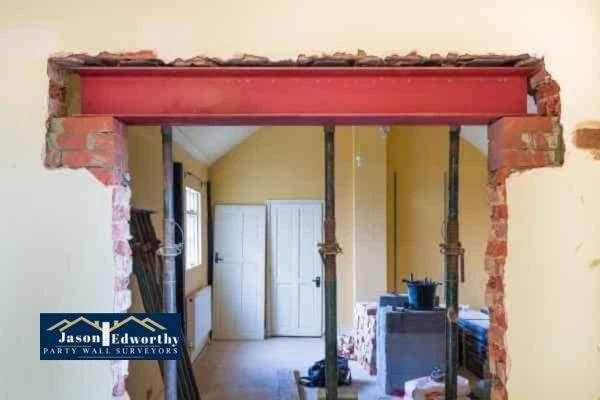
Key Highlights
- A party wall is the wall or structure that sits between two different properties. Any changes to this wall, like putting in a steel beam, must be done according to the law.
- If you want to do this kind of work, you need to know the legal framework under the Party Wall Act 1996.
- Getting and giving a party wall agreement helps your neighbors know what work will be done, so everything is clear from the start.
- RSJs are important for structural support and are often used in construction projects to help create open spaces in a home or building.
- Talking to a structural engineer is one of the most important steps. They will help make sure you follow building regulations and keep your project safe.
- Keeping to the correct construction process and following the law will help you avoid problems and get a good result.
Introduction To RSJs
Are you considering installing an RSJ in a party wall? This can improve your home, but you have to follow building regulations. A party wall is the wall you and your neighbour share. This means you need to keep to the legal framework, as any changes could affect it.
You may want an open-plan layout or need more support when you fix up your place, so you must know what the law says. It is important to work with people who know about this type of work. Let’s talk about the main rules and steps you need to follow.
Understanding RSJs and Their Role in Structural Support
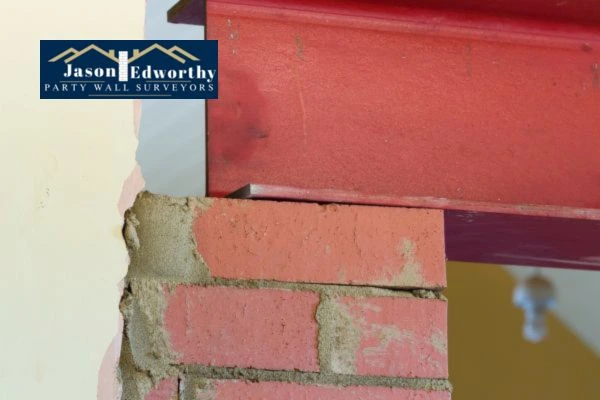
RSJs (Rolled Steel Joists) are the strongest steel beams. Plenty of builders utilise them nowadays. These beams change how humans upgrade the look or function of their space. They are used in homes, commercial buildings, and other places. If you require a big, open space or wish to create an additional level, RSJs are the right solution.
These are used by people who want to give their home or workplace a fresh, new feel or expand on it.
You should talk to a structural engineer before you get RSJs for your project. The structural engineer will help you know what you need to do so you do not harm the base or the walls. RSJs can be used in many ways. You can trust them to stay strong and last a long time. They work well for many jobs that require strength and extra sturdiness. Now, let us look at more about RSJs and how people use them.
What Is an RSJ and Where Is It Used?
An RSJ, which stands for Rolled Steel Joist, is a type of steel beam. This beam is strong and good at holding up weight. People use an RSJ in many building projects because it helps to spread the weight along its length. This helps the structure stay safe. You often see RSJs used in home renovations, especially to make a room feel more open and bright.
If you want to make your space feel bigger by knocking down a wall between rooms, you can use an RSJ. The RSJ will support the weight from that wall, keeping your home safe. The shape of your house will not change. This helps a lot when the wall is a shared wall or a party wall.
If you are a building owner with a party wall, using an RSJ can help you gain more space in your home. These steel beams are widely used in shared buildings, such as townhouses, to keep all properties safe. You need to plan carefully and have the right agreements in place before installing an RSJ. This helps ensure it is done correctly and that you respect your property and your neighbours’ boundaries.
Differences Between RSJs and Other Beams
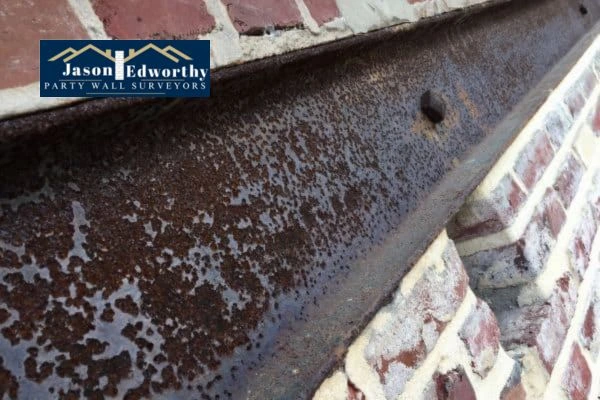
All beams help keep a building up, but RSJs are different. RSJs are very good at their job and are used in many ways. They don’t bend or break as wood beams do. RSJs also hold much more weight than wooden beams. They are thin, so they work well on party wall projects where space is limited.
The table below shows some key ways that RSJs and other beams are not the same:
| Attributes | RSJs | Other Beams |
|---|---|---|
| Material | High-grade steel | Wood, concrete, or standard steel |
| Strength/Load Capacity | Handles heavy loads | Often limited to lighter structures |
| Longevity | Resistant to wear and corrosion | Prone to environmental degradation |
| Applications | Open-plan layouts, structural stability | Basic support or decorative functions |
During construction, you will see RSJs used in tough jobs that require a lot of support. These are good when you want to make sure party walls stay strong. It is best to have skilled engineers do this work.
The Party Wall Act 1996 – Essential Rules for RSJs
The Party Wall Act 1996 helps people who own property when they have to deal with party structures, such as walls or fences. If you plan to install RSJs in shared walls, you must follow the required legal steps. The Party Wall Act is there to stop fights and help prevent damage to nearby properties.
When people who own the property send a party wall notice, they are using the right legal framework. This notice tells the neighbours about the work they plan to do. Neighbours, let me know if you have any concerns or are okay with the plan. This way, construction projects that require steel beams proceed smoothly. It also helps stop trouble with the party wall.
When Does the Party Wall Act Apply to RSJ Installations?
TheThe Party Wall Act applies when you need to install an RSJ and the work will affect a shared wall or something similar. This rule makes sure people who use a party wall are told and agree before anything happens. For example:
- Direct Insertion: If you put an RSJ right into the party wall, it can alter how the wall stands and performs.
- Excavation Near Walls: If you dig close to a party structure to support an RSJ, you must comply with the Party Wall Act.
- Alterations to Shared Areas: If you remove parts of walls or floors you share with your neighbours, you have to keep to the Party Wall Act rules.
It does not matter if the work is just on your own property. The Party Wall Act is in place to help stop problems with neighbours. It lets everyone work together better. If you are a building owner and want to change your space or make structural repairs, you need to notify your neighbours.
Make sure you use the right paperwork. This can help you avoid delays or legal trouble. Now, let’s look at what you need to do as a building owner when a party wall is involved.
Legal Responsibilities and Required Notices
As a building owner, you must comply with all rules under the Party Wall Act for each party wall agreement. You need to let your neighbours know if you plan to do any work that might affect the shared wall. Tell them what kind of work you want to do, and say how it could change things for them. It is important to be clear and honest about all details.
- Advance Notice: You need to let your neighbours know at least two months before you begin any work.
- Professional Input: It’s good to work with surveyors or engineers. They can help be sure that you follow the rules. They also make things clear to everyone.
- Resolution of Disputes: If there is a problem or disagreement, fair surveyors can help resolve it for all parties involved.
Sending these party wall notices early is the right move. It helps others trust you and shows you know things may change for them. If you are a building owner and you follow the legal framework, you make things easier for everyone. It also helps maintain peace with your neighbours.
Conclusion
To sum up, when you want to put an RSJ into a party wall, you need to know what the building needs and what you have to do under the Party Wall Act 1996. It is very important to familiarise yourself with the rules first so you can move forward without any problems.
You should talk with your neighbours and give them the party wall notices you need to send. This helps you stay on good terms with them and keeps you safe under the law, too. If you are planning this work, take time to check everything well. This way, there will be no fights or fines later.
If you need more help or want advice on your RSJ work or party wall issues, you can ask a pro for support.
Do I need my neighbour’s permission to install an RSJ in a party wall?
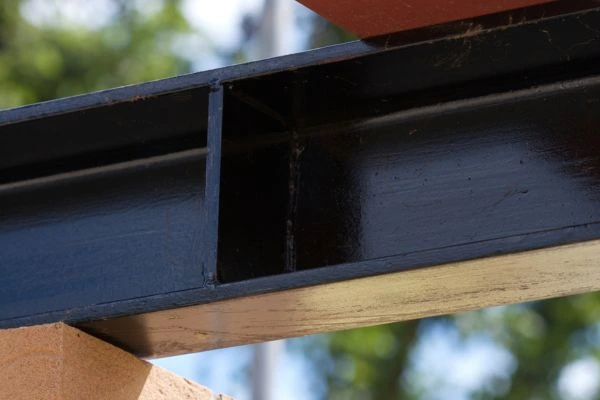
Yes, you usually need your neighbour’s permission before installing an RSJ in a party wall. This is because the work you do on the party wall can also affect their property. It is very important to tell your neighbour about this work. You should follow the Party Wall Act rules. This will help you avoid legal trouble.
How much notice must I give before starting work?
You need to give your neighbour at least two months’ notice before you begin any work on a party wall. This is a rule in the Party Wall Act. This time, let your neighbour read your plans and give them a chance to ask anything about the construction process.
Can I install an RSJ without a party wall agreement?
No, you have to get a party wall agreement if your RSJ work will change a shared wall. If you don’t have this, you are not following the legal framework. This can cause problems, including fights with others, fines, or even a court order to stop your construction project.
What happens if my neighbour objects to the work?
If your neighbour is unhappy about the RSJ being installed, you need to talk to them and try to address their concerns. You might need to make some changes so that both of you can agree about the party wall. If you and your neighbour cannot resolve the issue, they might start a formal dispute. This can mean you will need a Party Wall Award or, in some cases, even have to go to court to sort out the problem.
Are there penalties for failing to comply with the Party Wall Act?
If you don’t comply with the Party Wall Act, you could face legal trouble. You might have to pay court fines. Your project could be delayed, or an order may stop the work until you follow the rules. Sticking to the correct construction process can help you avoid these issues. It also helps you stay on good terms with your neighbours and ensures the work complies with the party wall rules.